
Our History
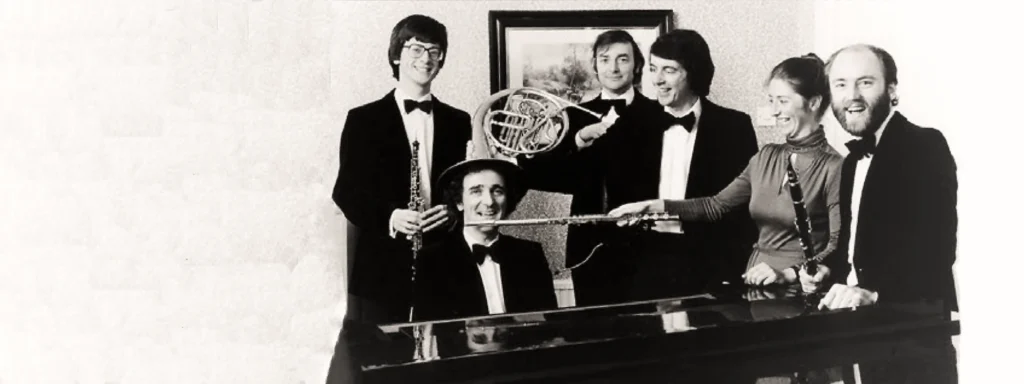
Founded in 1964 by the clarinettist Amelia Freedman, The Nash Ensemble has played a defining role in British chamber music for more than six decades. From its earliest concerts, the ensemble set out to challenge conventional ideas of chamber music by bringing together outstanding musicians in ever-changing combinations to perform an unusually broad repertoire.
At a time when most chamber ensembles focused on established formats such as the string quartet or piano trio, the Nash embraced the possibilities of mixed ensembles, performing everything from intimate chamber works to large-scale repertoire requiring chamber-orchestra forces. Alongside the great masterpieces of the classical tradition, the ensemble championed contemporary music, overlooked works and imaginative programming that revealed unexpected connections between composers and periods.
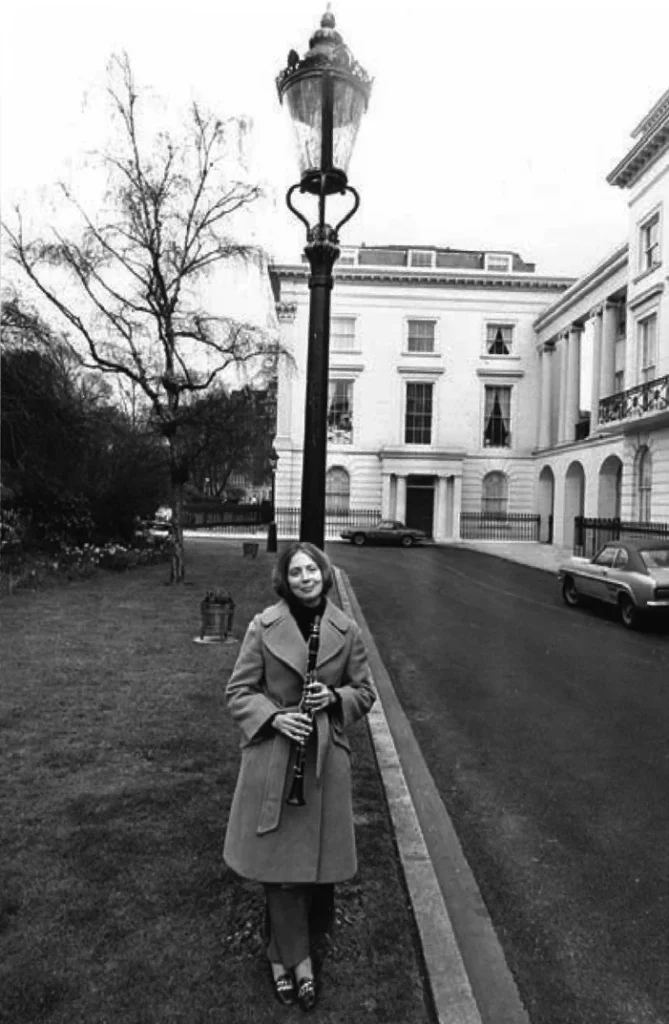
Amelia Freedman initially performed with the ensemble as a clarinettist before devoting herself entirely to artistic direction. Her exceptional vision as a programmer and commissioner became the driving force behind the Nash's international reputation. Under her leadership, concerts were conceived as carefully curated musical journeys, combining familiar repertoire with new discoveries and creating programmes that were both intellectually stimulating and deeply rewarding for audiences.
A defining feature of The Nash Ensemble has always been its commitment to new music. Over the course of its history, the ensemble has premiered more than 300 new works, including over 200 commissions written especially for its musicians. By placing contemporary music alongside the established chamber repertoire, the Nash has helped generations of composers reach new audiences while making a lasting contribution to the development of chamber music.
The ensemble has also built an outstanding international reputation through its performances, recordings and long-standing artistic partnerships. Chamber Ensemble in Residence at Wigmore Hall, it has presented annual themed series there for more than four decades, while also appearing regularly at the BBC Proms and touring extensively throughout Europe and North America. Its acclaimed recordings have earned widespread critical praise and numerous awards.
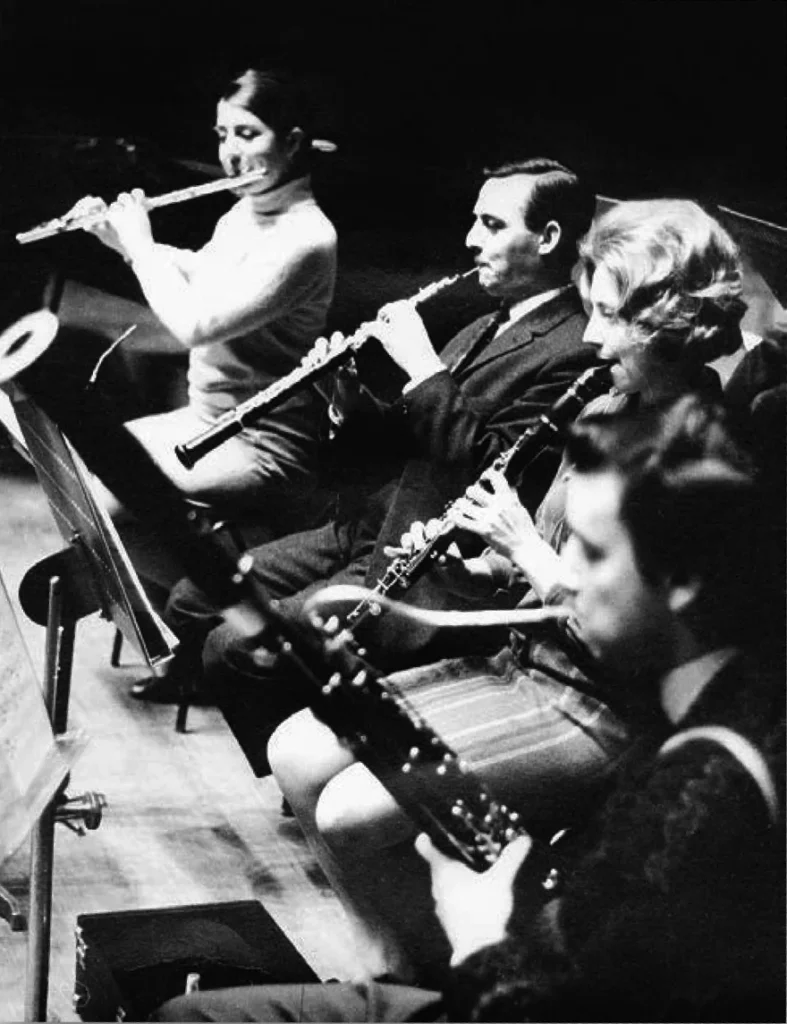
Central to the Nash's success has been the remarkable community of musicians who have formed the Ensemble over the years. Many have remained closely associated with the group for decades, creating a distinctive style of music-making built on trust, collaboration and exceptional ensemble playing. This continuity has enabled the Nash to maintain the highest artistic standards while constantly refreshing its repertoire and welcoming new generations of performers.
Amelia Freedman's influence extended far beyond the ensemble through her work as a festival director, artistic adviser and one of Britain's most respected programmers. Yet the Nash remained at the heart of her life's work. Through it, she created an ensemble that honoured the chamber music tradition while continually renewing it through contemporary creativity and artistic curiosity.
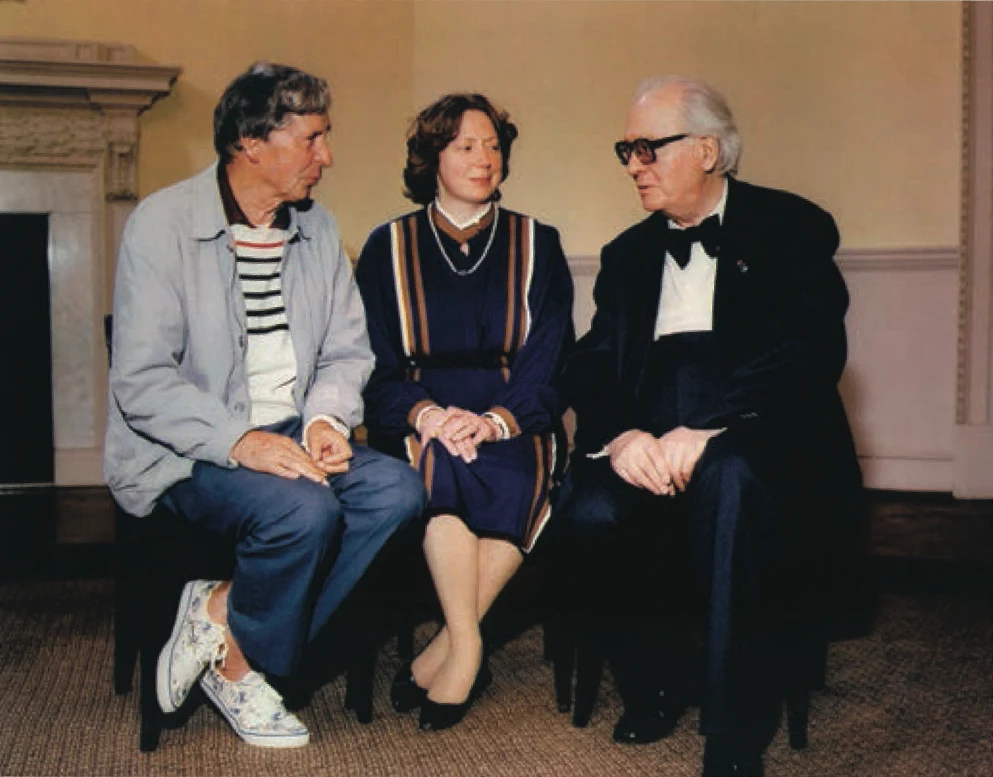
Following Amelia Freedman's death in 2025, the ensemble entered a new chapter under the artistic direction of Simon Crawford-Phillips and Adrian Brendel. Building on the foundations she established, they continue to uphold the values that have defined the Nash since 1964; exceptional musicianship, imaginative programming and an unwavering commitment to both the great chamber repertoire and the music of our own time.
Today, The Nash Ensemble continues to be recognised as one of the world's leading chamber ensembles. More than sixty years after its founding, it remains committed to discovering new perspectives on familiar music, championing new voices and ensuring that chamber music continues to thrive as a living, evolving art form.
THE NEXT CHAPTER
Help shape what comes next
The Nash Ensemble’s story continues through new music, exceptional performances and opportunities for future generations of musicians.